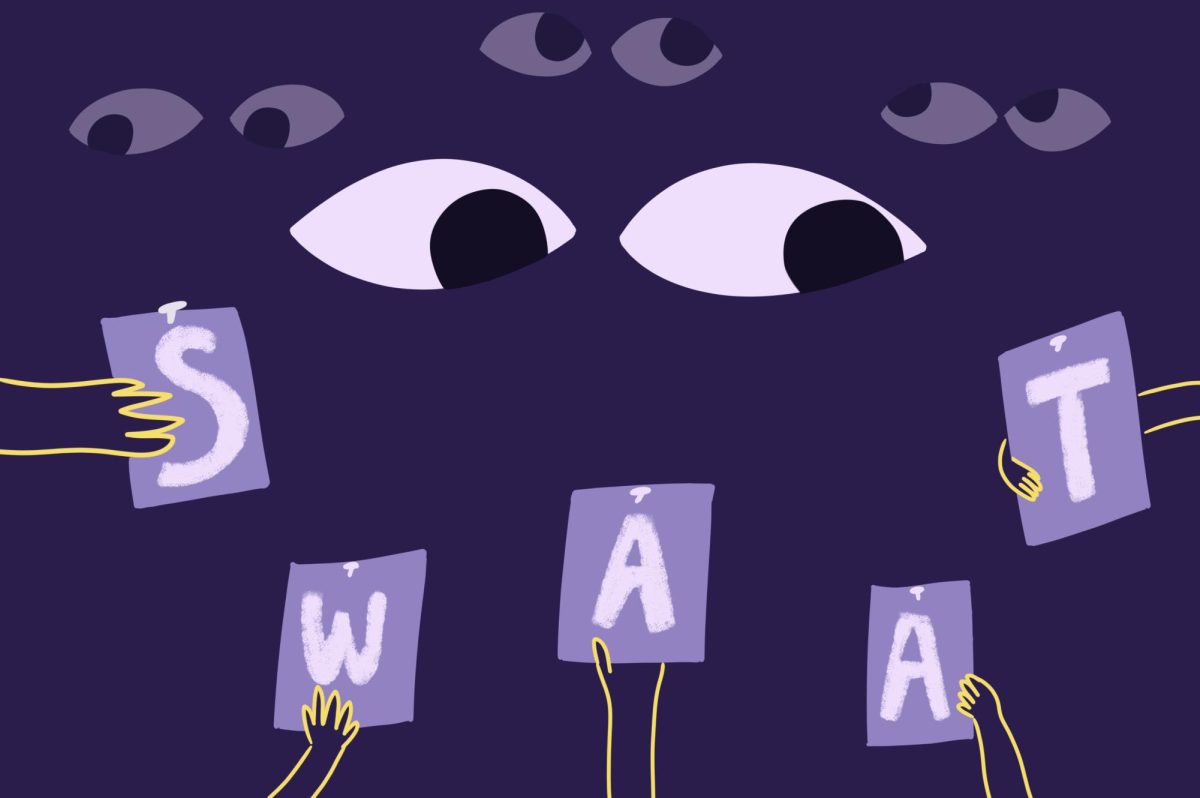

Monday, Jan. 12, 2026, the Dean of the College of Arts and Sciences sent a message to students announcing that the Department of Criminal Justice, Criminology and Forensics had invited the Border Protection Office of Professional Responsibility to our campus for the annual Criminal Justice Career Fair. This message was sent only to us. Not the rest of the university. Not the students who would also be affected. Just us. And even then, the message was almost casual, as if inviting one of the most controversial federal agencies onto our campus was no big deal.
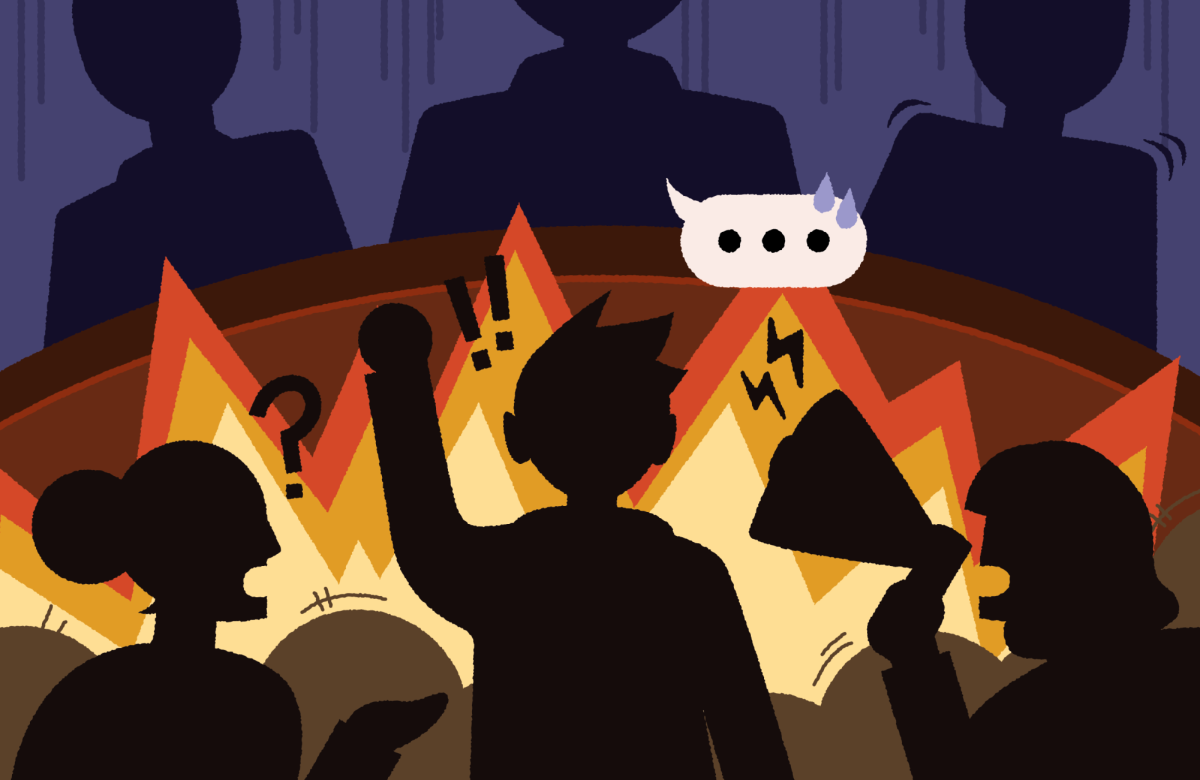
I refuse to pretend this is normal. I refuse to sit quietly while the university treats this like just another career fair guest. So, Jan. 14, other students and I showed up at the student government Senate Assembly meeting to voice our opposition. We were each given two minutes; two minutes to express fear, frustration and outrage, and then were ushered out for their closed session. We were told the meeting minutes would be “easily accessible” in the following days. That was a lie. It took nearly a week of us constantly bothering the senate before any of us could find them, and even then, there was no clarity, no transparency, no indication that our concerns were taken seriously.
So, we did what students always end up doing when institutions fail us: we spread the word ourselves. We warned our peers. We tried to make noise. Still, the university kept acting as if this were a small, contained issue, something that only Arts and Sciences students needed to know about. As if the Border Protection Office of Professional Responsibility’s presence wouldn’t affect students across every college at Seattle University. As if the Latino students on this campus wouldn’t be affected.
Then came the second email, forwarded to us “upon Dean Casper’s request.” A long, polished, PR‑coated message that basically said: ‘We hear you, but we’re doing it anyway.’ The university framed it as a matter of “academic freedom,” “professional development” and “student choice.” They reminded us that the event is voluntary, as if that erases the harm of bringing Border Protection Office of Professional Responsibility anywhere near a campus that claims to care for marginalized communities.
They bragged about the event’s 25-year history, as if tradition is an excuse. They emphasized their Jesuit values, as if saying the words “care” and “inclusion” is the same as practicing them. If they’re going to invoke values like “care” and “inclusion,” then it’s worth being clear about what those words actually require. Care means taking real responsibility for the well-being of your community through actions, not just language. True inclusion means creating spaces where everyone is truly welcomed, respected and able to fully participate. It is removing barriers, sharing power, and ensuring that people from different backgrounds actually feel seen and valued, not just mentioned in mission statements. They tried to pacify us by saying the event would be held “off the main campus.” As if moving it from the Casey Building to the Alumni Building, literally across the street, changes anything. As if proximity is the problem, not the principle.
At the next Senate Assembly, we were once again pushed out after public comment. But this time, I spoke with someone in the Senate, who told me the administration “did not think our safety concern was valid.”
Not valid.
Have they watched the news at all? Have they seen what ICE has been doing this past month? Their enforcement actions have been inhumane raids, arrests and aggressive tactics that have left families terrified and communities destabilized. They have escalated operations in ways that feel excessive and cruel, with little transparency and even less accountability. Their actions have sparked protests across the country, yet they continue expanding their reach without hesitation. Vulnerable people are paying the price.
The Border Protection Office of Professional Responsibility, the very office our university is choosing to associate with, has repeatedly failed to do its job. It does not enforce transparency. It does not investigate misconduct with integrity. It does not hold agents to meaningful standards. Complaints disappear. Serious incidents get brushed aside. Oversight becomes a performance, not a practice.
So why is a private Jesuit university aligning itself with an office that cannot even uphold the basic values of justice and human dignity? Our university claims to care for the whole person, to stand with marginalized communities, to fight for social justice. Yet here they are, partnering with an oversight office that has failed to protect the very communities Jesuit values demand we stand with.
And let’s not pretend this is new. This was an issue last year, too, but it was kept quiet. Students raised concerns then, and the university swept it under the rug. Now it’s happening again, only louder, only more blatant, only more dismissive.
This is not care. This is not solidarity. This is not justice.
This is the university choosing institutional relationships over student safety, choosing professional optics over moral responsibility. Choosing silence over accountability.
If the university refuses to protect its students, specifically its Latino students, then we must protect each other. We must speak out, organize and refuse to let this be normalized. We must demand transparency, demand accountability and demand that our Jesuit institution actually live up to the values it loves to advertise.
Because if we don’t, they will keep doing this. Quietly. Repeatedly. And without consequence.
To restate what I said at the Senate assembly: “We are still here, we still care, we still demand to be listened to and we are still mad.” Students are not props for their brochures; we are the community they claim to serve, and we should not be ignored.
Kenia Gallegos is a second-year political science major.
Editor’s Note: A previous version of this article referred to the Border Protection Office of Professional Responsibility as the Border Patrol Office of Accountability. It has since been updated to reflect the correct name of the organization invited to the annual Criminal Justice Career Fair.