
May 2026, the Seattle LGBTQ Commission released a letter addressed to Mayor Katie Wilson recommending a state of civil emergency in response to a growing number of transgender people seeking housing and support in Seattle after leaving other states with fewer protections. The letter states that declaring a state of emergency would support the possibility of allocating emergency funds to local healthcare, housing and crisis care providers, as well as providing a symbolic gesture of support for the safety and belonging of transgender and genderqueer individuals.
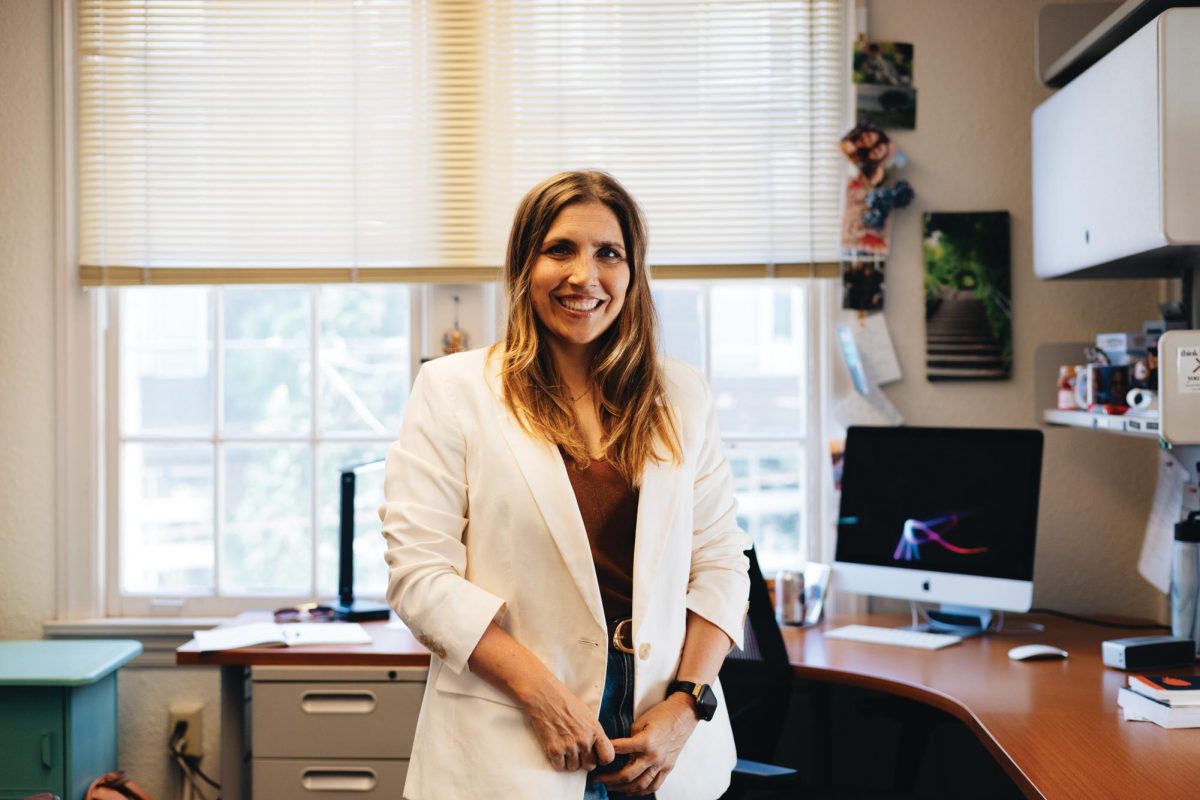
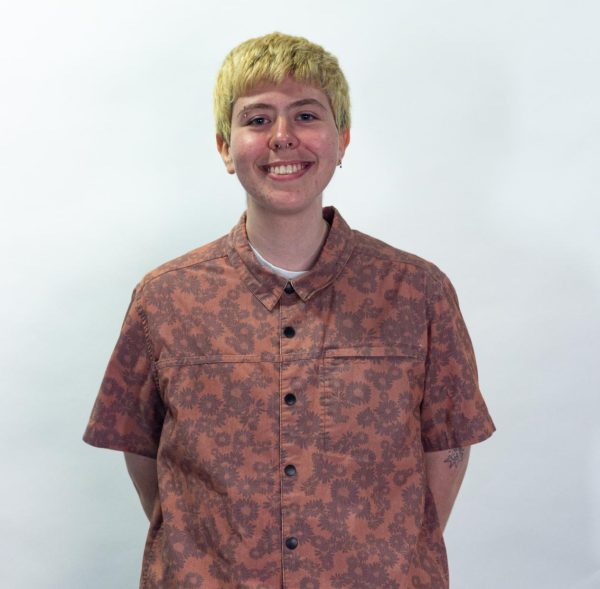
“Nowhere’s perfect, but we really do have such a strong, vibrant, civil society [in Seattle] with organizations that do amazing work. We’ve been in the community talking with people, and we’re finding out that our orgs are really at risk of not being able to meet the demand, or even not being able to continue existing beyond the next few months,” Jessa Davis, co-chair of the Seattle LGBTQ Commission, said. “What we’re asking is, as people come here, and we have frontline organizations responding to these needs, that the city provide funding.”
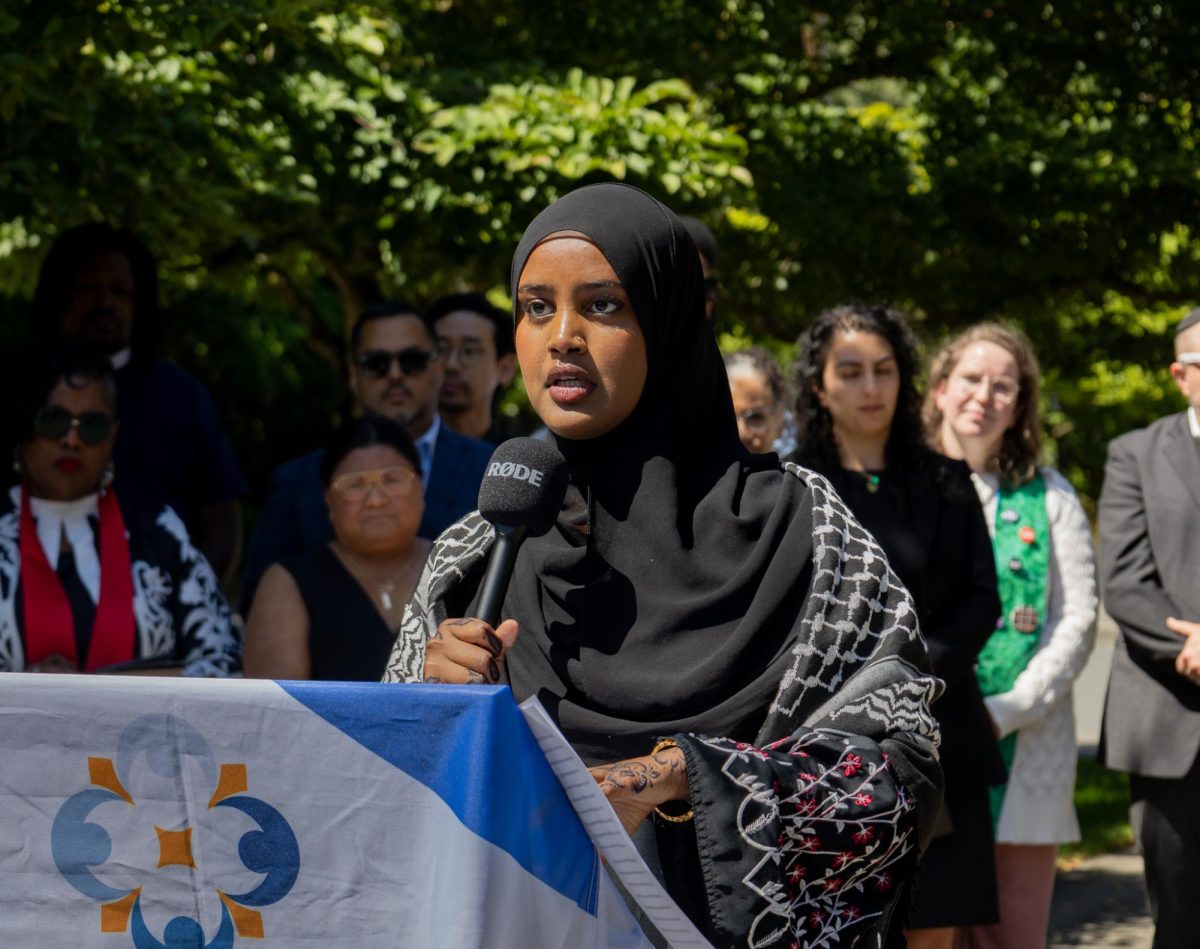
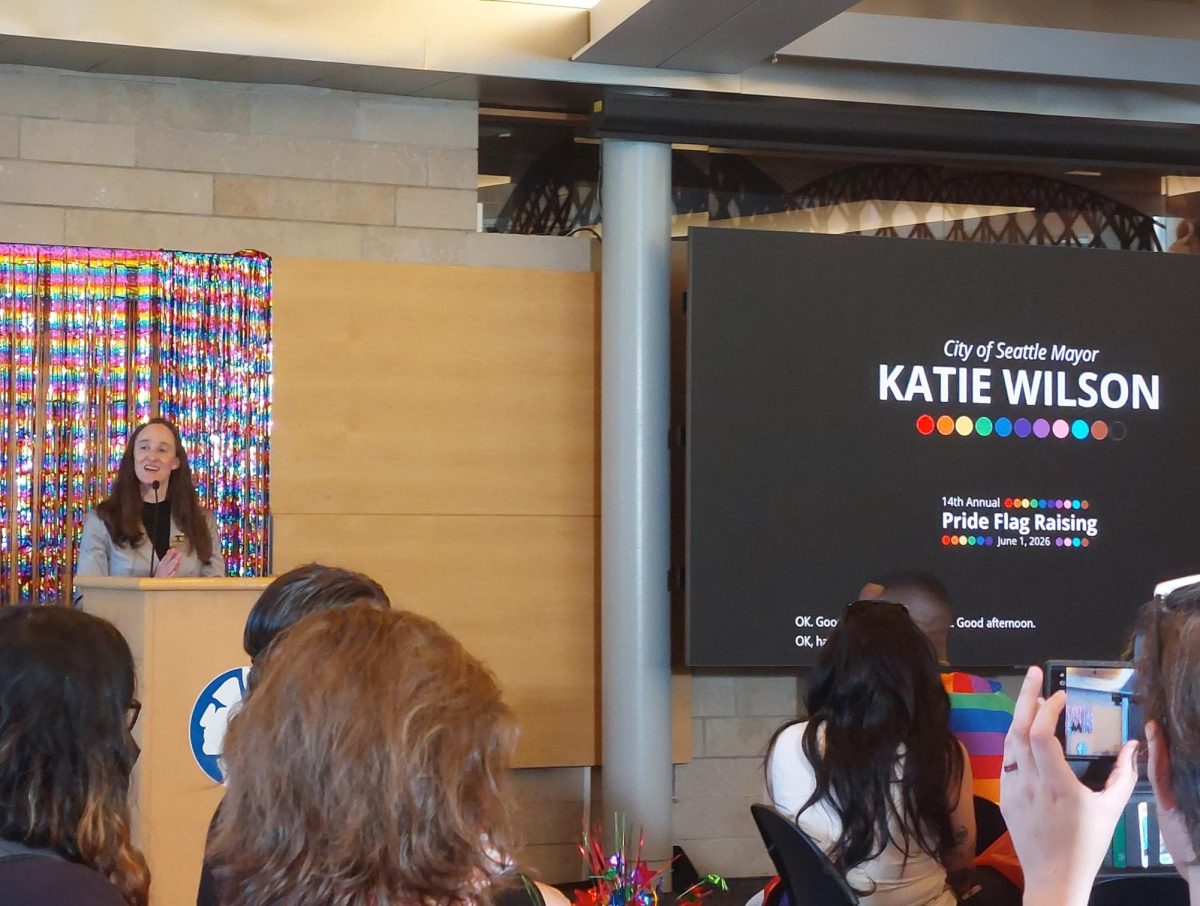
Every June, Seattle City Hall sports a large pride flag alongside its American and City of Seattle flags. This year, the pride flag was raised June 1 by community activists in the 14th annual ceremony of its kind, with speeches from city council members, local LGBTQ organizations and Wilson preceding.
“We have in Seattle strong civil rights laws that protect everyone from discrimination and harassment based on sexual orientation, gender identity, race and many other protected classes. Our city is seen by many as a welcoming place, but we must do more to make that welcome real. We cannot be bystanders in this moment,” Wilson said in her speech.
The event was visually consistent with the vibrant rainbow decor and outfits expected at Pride festivities; however, the tone of conversation was far from joyful. The event began with a moment of silence for recently murdered University of Washington student and transgender woman Juniper Blessing, along with the nine other transgender people reported murdered in the United States in 2026.
According to Davis, the Seattle LGBTQ commission has been finalizing a concrete proposal that will be presented to the mayor’s office. Wilson has also created a team, including members of the commission, to address long-term policy goals and concerns.
“This isn’t a 2026 problem. It’s not going away next year, even if federal policies do change in the next couple of years, the state policies that are driving people here are not going to,” Davis said.
In 2026 alone, 55 bills have been passed blocking transgender people from accessing healthcare, education and legal protections; 668 others are currently under active consideration. Because of this, the Lemkin Institute for Genocide Prevention and Human Security has identified the United States as being in the beginning to middle stages of a genocide targeting transgender people. These bills have led to an increase in transgender people relocating from more conservative areas to more supportive cities like Seattle.
Debbie Gordon and Deb Dahrling, meeting coordinators from Seattle’s chapter of PFLAG, a nationwide organization providing support for LGBTQ people and their families, have noticed this influx at their meetings. Though the group does not provide direct housing or healthcare services, they often serve as a gateway to connect new arrivals to further resources.
“What we can do is provide support,” Gordon, who is also PFLAG Seattle’s board president, said. “I’ve been in a meeting with a woman who’s here with her child from Texas because they sicced CPS on them. She needs to be in a room with people who accept and care about her and her child.”
Gordon and Dahrling have witnessed firsthand the benefits of providing safe spaces for queer people and families. When organizations take the time to facilitate openness, people are able to share facets of themselves they might not otherwise get to.
“The last few meetings, we’ve had somebody from India join us, who for the first time was able to share that her daughter was gay. It’s a safe space, it’s a confidential space, it’s a welcoming space,” Dahrling said.
Though Seattle boasts a number of legal protections for transgender residents, Gordon and Dahrling emphasized that these protections require ongoing support.
“I’ve had moments myself, where people have acted with hatred towards me, called me transphobic names on the Light Rail. The difference between it being an attack that puts me in the hospital and very unpleasant microaggression is not up to me,” Davis said. “That weight that we carry is something that really embodies the spirit of pride, unfortunately. We can be celebratory, and we can sit with these sobering realities and merge the two of them together into a policy and a culture and be a thriving community that can appreciate.”