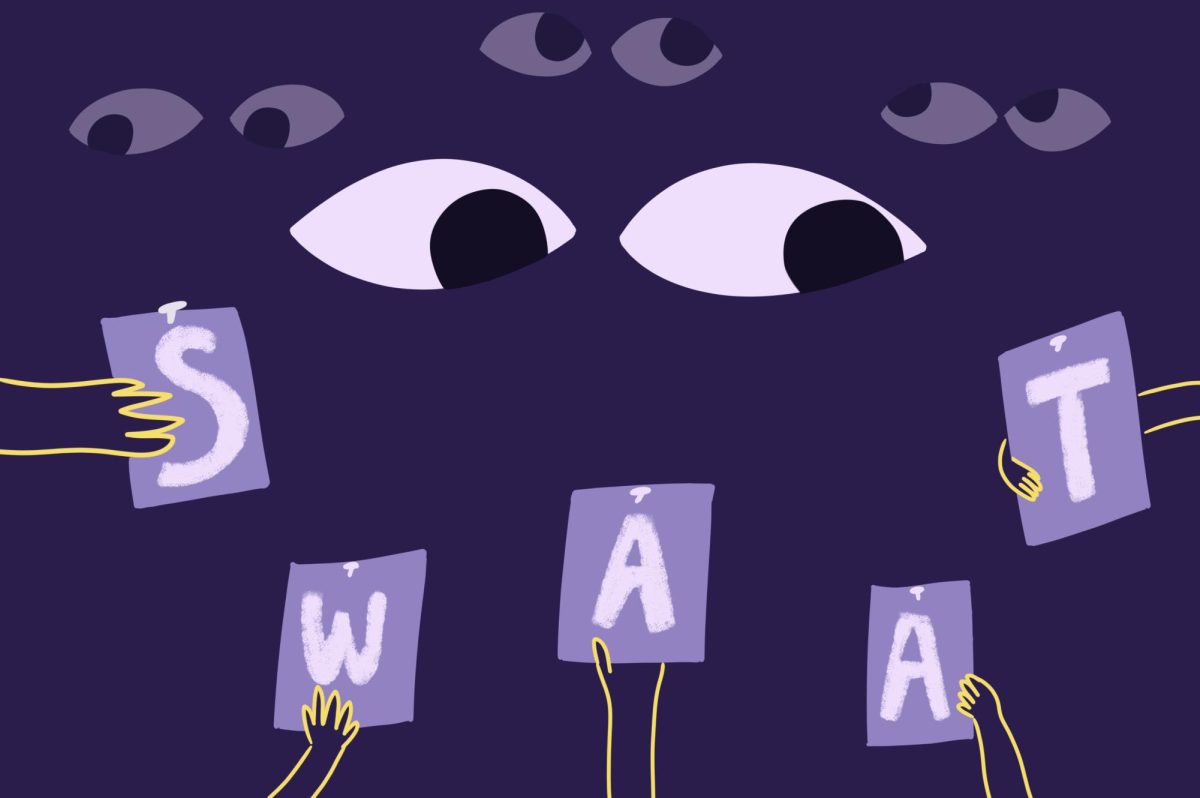


Seattle U’s class of 2026 graduation date has been officially set for Sunday, June 14. For seniors, this not only means scheduling fitting appointments for caps and gowns but the pressing reality of a life beyond campus and Canvas.
As the date of graduation draws closer, seniors from different majors are realizing their time at Seattle U is running out and are exploring ways to lay the groundwork for post-grad life.
Nursing major Elizabeth Nguyen balances academics, work and being the president of the Vietnamese Student Association. In addition to her regular coursework, Nguyen is a staff member at the Media Production Center, which provides her with a creative outlet separate from the intense 12-hour clinical shifts that she works at the University of Washington Medical Center.
Working as a nurse tech has shaped her confidence in clinical settings. Though initially intimidated by the busy environment and stakes of dealing with people’s real health, her nurse tech experience helped her become not only comfortable with but preferential to the hectic hospital setting.
“Before, when I went to clinicals, I was actually terrified of going and talking to patients. Now I am more confident in my skills and helping them get around,” Nguyen said.
Looking ahead, Nguyen is ready for a career in nursing and excited for life beyond assignments and the repetitive cycle of an academic schedule.
While Nguyen finds fulfillment in the hospital buzz, others find energy in hands-on work and time outdoors. Environmental Science major Izzy Zazzali is one of them. Between work as a student gardener, conducting independent research that is focused on Geographic Imaging Systems (GIS) and drone surveying, and attending classes, she is on campus from early morning until evening.
“Just balancing everything makes me feel overwhelmed,” Zazzali said.
The turbulence of her schedule makes it difficult to get adequate sleep, a shared reality among many in their last year of undergraduate studies who are typically working jobs outside of academics.
Zazalli looks forward to life after graduation, especially the chance to break up her schedule and separate work from academic responsibilities. Despite the stress of multiple commitments, she values the hands-on experience gained through her campus job and research. Her work as a student gardener has given her insight into the value of manual labor and the satisfaction of tangible results.
For Civil Engineering major Tamara Seyduzova, her final year is being shaped by projects that connect directly to the work she hopes to do after graduation. As a commuter student, Seyduzova has to keep herself motivated as she juggles her senior capstone project, ultimate frisbee practice and job applications.
“Right now, I am in a position to be an office engineer,” Seyduzova said. “Because of different networking events, career fairs, clubs and the senior capstone project, I also feel prepared to communicate well with professional engineers.”
Her involvement in the Ultimate Frisbee Club and her internship in construction management have been highlights of her time at Seattle U. Beyond graduation, Seyduzova is excited to contribute to meaningful projects and enjoy a work-life balance. She hopes to travel, hike and spend time with family and friends while establishing her career.
Biology major Abby Kiyosaki is experiencing new opportunities as a senior through research on a senior synthesis project, serving as a teaching assistant (TA), upper-level biology courses and preparation for the next steps in her journey.
“Having to prepare for life post-grad has been a big challenge,” Kiyosaki emphasized, reflecting on the pressure of planning for her gap year before applying to Physician Assistant school.
Kiyosaki credits her major with building a strong foundation for her future in healthcare. She says the intensity of biology classes has helped her develop the study skills and resilience needed for advanced programs.
Beyond academics, her involvement in the Biology Club and working as a TA have offered her community and mentorship opportunities, which she describes as meaningful parts of her Seattle U experience.
Looking back, Kiyosaki advises first-year students to take early courses seriously and make the most of their time in college. She is both hopeful and excited about life after graduation, anticipating more free time and opportunities to focus on her career while cherishing the close connections she has built on campus.
Communications major Lorenzo Caltagirone, who is also pursuing a marketing minor, holds multiple roles on campus. He works as a resident assistant, teaches students how to use AI in business communications, manages at UREC and runs the Communications Alumni mentorship program.
“College has felt like a beautiful bubble that has given me the chance to try on different hats and figure out what fits me best,” Caltagirone said.
Caltagirone’s time at Seattle U has been shaped by meaningful opportunities and mentorship. In the fall, he presented a course he created at the Association of Business Communication 2025 Annual International Conference, becoming the only undergraduate presenter.
He credits his major with developing his writing, public speaking and strategic thinking skills, all of which he sees as crucial for stepping into the professional world.
As he anticipates life post-graduation, Caltagirone is cautiously confident about entering the job market in PR and crisis communications. He emphasizes the importance of networking and mentorship, noting that guidance from professors and supervisors has grounded him in a competitive field.
Beyond individual experiences, all seniors are stepping into a job market that continues to evolve. Seattle U’s Career Engagement office is helping guide students through this bigger picture.
Carol Lwali, director of career engagement at Seattle U, sees seniors navigating a particularly competitive job market this fall.
“Right now, it is challenging on both ends, both nationally and locally,” she said,
Lwali pointed to layoffs, paused hiring and economic uncertainty. Certain fields, like computer science, have been especially difficult for students seeking entry-level positions, while other sectors, including government and research, have slowed hiring due to reduced funding.
Still, Lwali emphasizes that preparation, strategy, and networking can make a difference. She encourages everyone, especially students, to work on expanding their network, whether that be colleagues, professors, advisors or even fellow students.
She urges students to approach job applications intentionally, have resumes and cover letters reviewed and stay open to opportunities at small and medium-sized businesses, not just large companies.
“There are also bright spots in healthcare, data analytics and logistics,” Lwali added.
She also highlighted the importance of staying creative and flexible, noting that opportunities often appear in unexpected places for students willing to explore beyond the obvious paths.
As seniors move through their final months at Seattle U, the emotional uncertainty of leaving behind a familiar campus blends with the exciting prospect of new opportunities. Whether they like it or not, students will have to find a job post-grad. Still, many students are entering the changing job market by building networks, remaining open to unexpected possibilities and fostering optimism for their impending futures.