

While Seattle University students study, spend time with friends and go to classes, a dramatically different reality coexists less than an hour south where the Northwest Detention Center (NDC) houses hundreds of detainees waiting for their day in immigration court. The NDC opened in 2004 and has seen escalated use as the Trump administration continues its punitive immigration policies. It is one the largest detention centers in the country, and the largest in the Pacific Northwest.
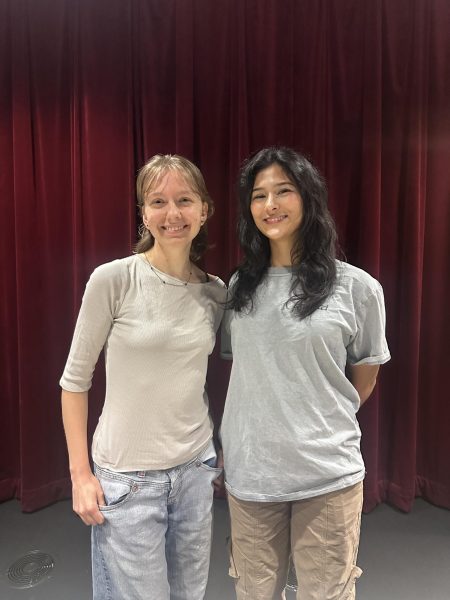
This detention facility became the focus of a class documentary project for Film and Media major students Fourth-year Didi Khan and Third-year Gracie Cole
“I’m half Mexican, so it’s hard to see people that look like me having their civil liberties and freedoms taken away from them,” Khan said.
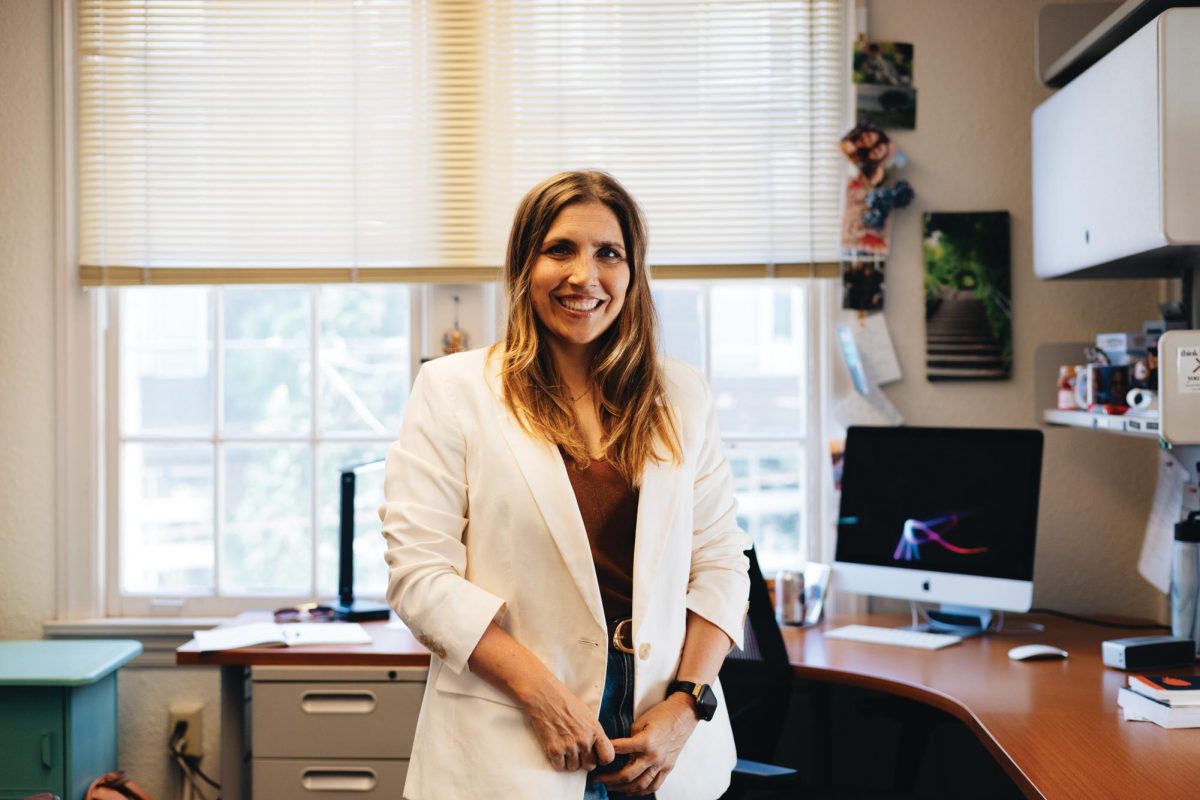
The project was part of a class called “Documentary Media,” taught by Associate Professor Alexander Johnston. Johnston’s academic area of expertise is social justice and experimental documentary.
“They’re both really great students,” Johnston said. “They locked in early on, they’ve been working very steadily.”
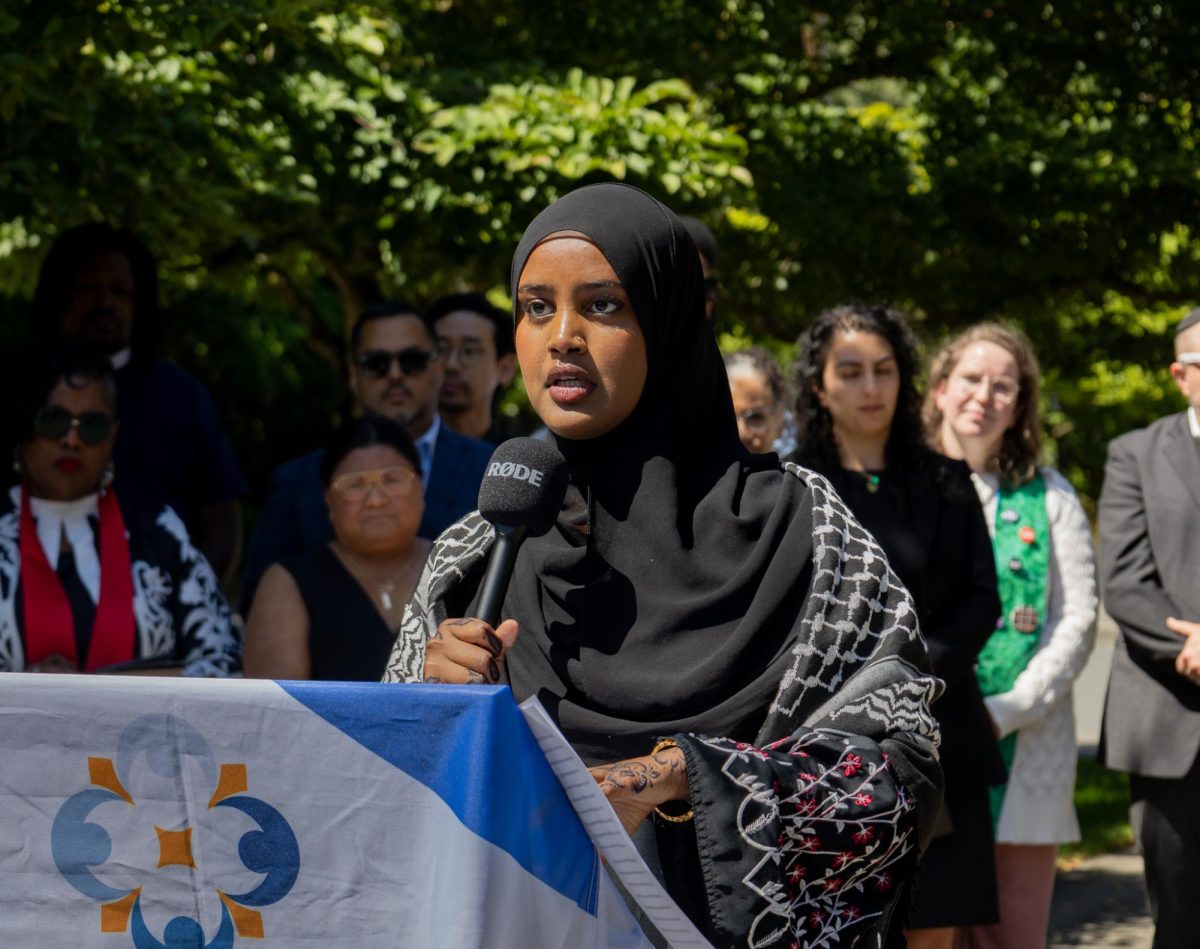
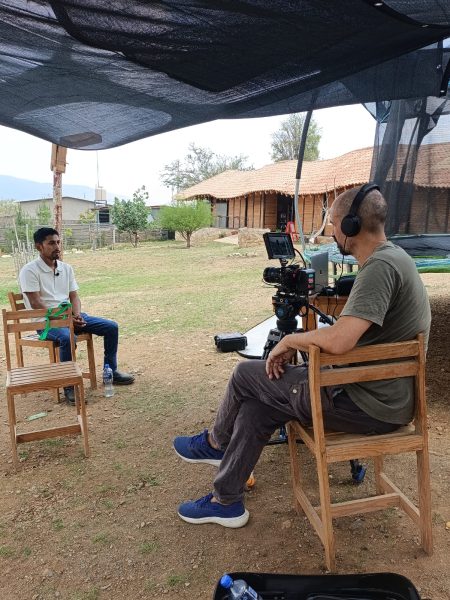
For their documentary, titled “Black Box,” they interviewed a research coordinator at the University of Washington Center for Human Rights. They interviewed members of the local advocacy group La Resistencia, which aims to shut down the entire center, while attending a protest outside the center. The documentary was selected for an Undergraduate Research Award by Seattle U. They used the funds from this award to hire a local cinematographer in Oaxaca, Mexico, to film their Zoom interview with Alfredo “Lelo” Juarez Zeferino, who spent time at the detention facility before voluntarily leaving the United States. Zeferino believes he was targeted by the Trump administration for his activity in organizing farm workers.
Cole and Khan highlighted the story of Charles Leo Daniel, an immigrant who died in the detention facility of hypertensive and atherosclerotic cardiovascular disease (ASCVD). Daniel was held for close to four years in solitary confinement, a condition the facility reports was requested by Daniel. They also spoke to unattended medical needs, hunger strikes and sexual assault.
Although a version of the project was submitted at the end of winter quarter, the two kept working through spring quarter. In late March, they interviewed Congresswoman Emily Randall, of Washington’s 6th congressional district, who has been a strong advocate for the detainees’ rights. Khan was inspired by speaking to so many fighting to make a difference.
“Seeing these people try and put so much of their time and energy into making the world a better place gives you hope,” Khan said.
Part of the documentary explores The GEO Group, a massive private prison company that runs the facility and many others like it, on an ICE contract. The company’s CEO recently called lawsuits against immigrant detention facilities “unconstitutional.” GEO Group was sued in February by detainees who alleged beatings, sexual assault and coverups at the NDC. According to The Seattle Times, ICE has recently lowered safety standards for the NDC. A report from the Center for Human Rights at UW found more than 170 instances of sexual abuse over a roughly ten-year period at the NDC. A month-long hunger strike over solitary confinement and lack of proper medical care recently ended at the facility. The documentary further explores the inhumane conditions of the facility.
“I was shocked at how these detention centers are privatized by these prison groups,” Cole said. “Their spread of influence is so large, and they have such a troubling history in terms of what they’re doing to people and how much control and money and power they have.”
According to Khan, immigrant detention facilities like the NDC violate due process, holding people for long periods of time without due process.
“People are arrested under suspicion, they’re detained under suspicion, and they’re required to stay in a detention facility that is run by a prison group as they’re awaiting their trial date,” Khan said. “It’s called a ‘detention center,’ but it’s technically run by a private prison group, so it’s essentially a prison. That’s a constitutional issue because there’s no due process.”
Khan and Cole are currently late in the editing process, and plan to submit their documentary to a variety of film festivals in the summer.
The name of the facility was changed in 2019 from the Northwest Detention Center to the Northwest ICE Processing Center, a move Khan says is an attempt to shift public perception by removing the word detention.
“The overarching desire is to have a humane portrayal of people who have been impacted, and to understand what’s happening in these places we aren’t allowed to see,” Johnston said.