
Seattle University’s Housing and Residence Life (HRL) is launching a new residential program this fall: Residential Learning Communities, or RLCs, will be embedded across the three residence halls that primarily house first-years: Bellarmine, Campion and Xavier. These communities are structured around five interdisciplinary themes.
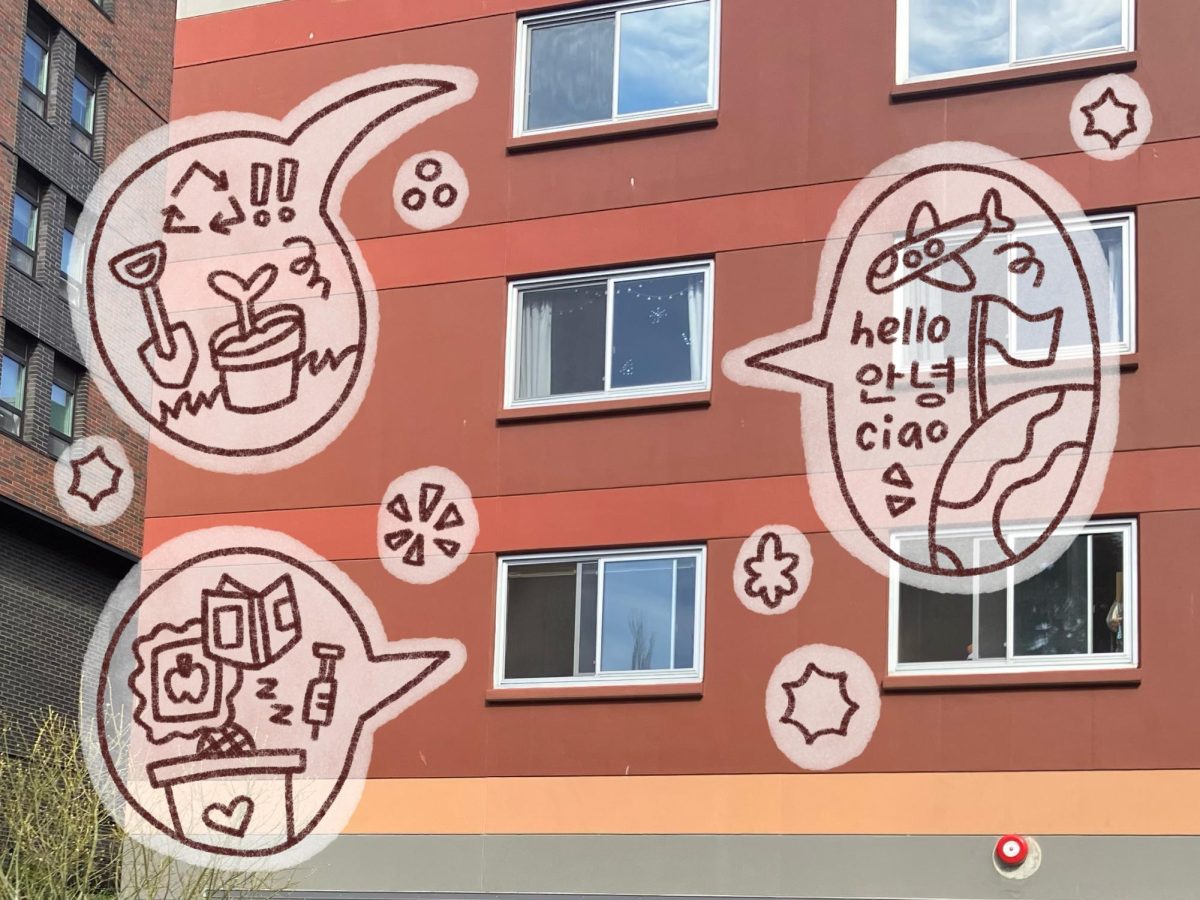
Open to any student, the RLCs are designed for cross-community engagement and will host regular events centered on specific themes. Bellarmine Hall will host Catalyst, focused on innovation and entrepreneurship, and Pathways of Purpose, centered on faith, meaning and Ignatian spirituality. Campion Hall will host Cura Terra, emphasizing climate and sustainability, and Balance and Being, which centers around holistic wellness. Xavier Hall will host Atlas, built around global engagement and cross-cultural connection.
The housing application now includes an option for students to indicate interest in an RCL, though participation remains entirely optional.
RLCs were offered at Seattle U over 10 years ago before being discontinued. Their return to campus is part of a broader institutional effort to strengthen ties between academic and residential life, a goal rooted in Seattle U’s Jesuit identity.
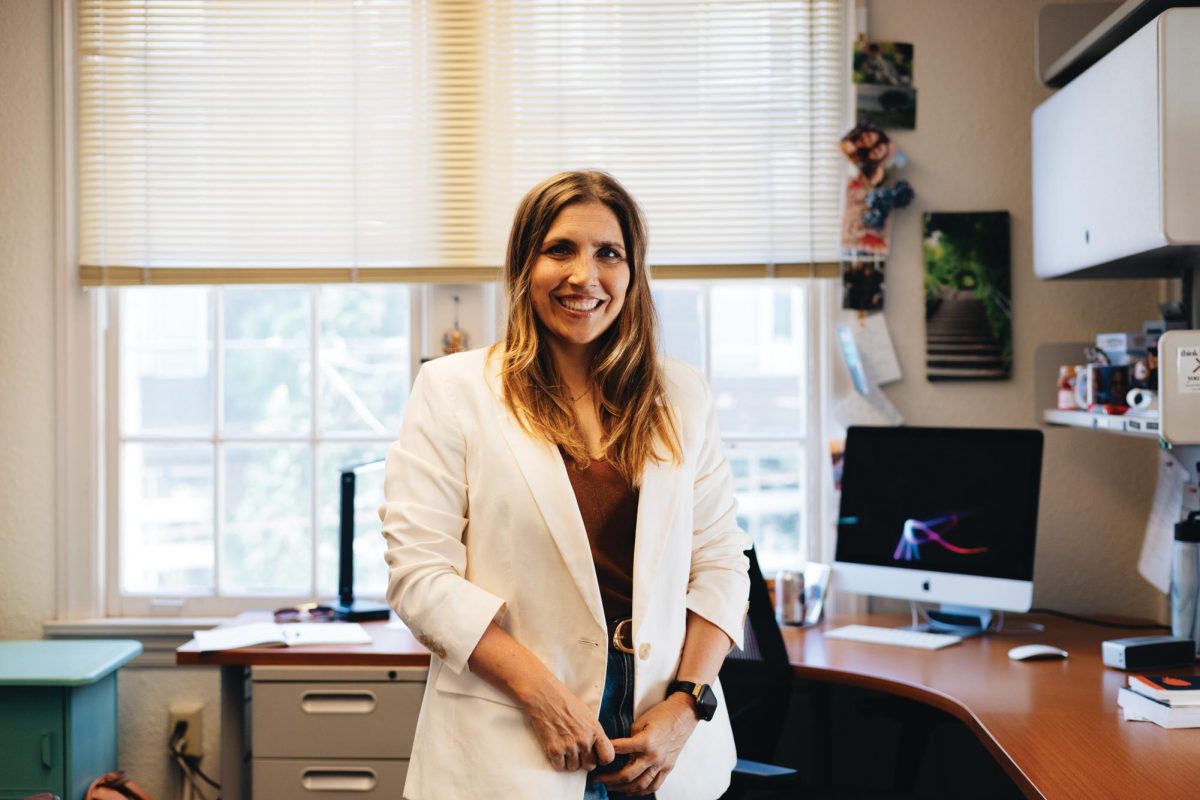
Katie Steele, associate director for community engagement and learning initiatives, said faculty presence outside the classroom is central to what the program aims to achieve.
“How cool is it to have a psychology lecture and go back home to your residence hall and your professor is making pizza in a community kitchen with students?” Steele said. “That is the kind of hallmark of what it means to be Jesuit educated.”
HRL says the themes were chosen through an extensive process that included focus groups with students and faculty, as well as input from the admissions office and academic departments.
A key priority was making the themes feel specific to Seattle U rather than borrowed from other institutions. HRL heavily centered the Jesuit ethos during the creation of the RLCs.
“We took a focused approach on what’s going on to make these unique to our campus and how these are going to serve the needs of our students,” Steele said.
The themes were also designed to be integrative, allowing students with overlapping interests to find themselves reflected across multiple communities. The RLCs are not specifically tied to majors, minors or programs of study, and instead are linked through the theme of nature.
HRL drew a connection between Cura Terra and Balance and Being, focusing on sustainable self-care practices and environmental mindfulness as being deeply connected. The objective is to avoid reducing students to a single area of interest.
One structural feature HRL has emphasized is that students are not required to live in a specific hall to participate in a given RLC. A student living in Bellarmine, for instance, is still able to attend Cura Terra events in Campion.
Preferred roommate requests are also unaffected, meaning students don’t have to choose between living with a friend and a particular community.
Hilary Lichterman, executive director of housing and residence life, noted that participation comes at no extra cost to students.
“We are not charging students additional fees for this. These are student dollars, [we are] using funds in a way that benefits students.” Lichterman said.
Early response among students has varied. Kenzie Swiftney, a first-year marketing major, said she chose not to sign up for any of the RLCs.
“I prefer to have home and academic life separate, so I think being part of these learning communities would be too much for me,” Swiftney said.
For incoming first-year students, the RLCs provide an established community to welcome them and help them become part of it.
The announcement has also prompted an uptick in faculty interest. Since HRL announced the relaunch, faculty have proactively reached out to collaborate on programming.
One upcoming example of program outreach is a clothing thrift swap-and-shop event in Bellarmine, co-hosted with the Institute for Environmental Justice and Sustainability and the Environmental Studies Program. The goal is that it will become the kind of event that could become a signature Cura Terra program.
HRL plans to actively listen to student feedback throughout the first year of the RLCs, continuing to grow throughout the rollout. The themes and programming are expected to evolve as communities take shape.
Students who did not select an RLC on their housing application are still welcome to attend any of the events across the five communities. More information, including an FAQ, is available on the HRL website.