

This past summer, a $2.8 billion case was settled against the National Collegiate Athletic Association (NCAA). For the first time since the NCAA was founded, universities across America gained the ability to pay their athletes directly. As we approach the halfway point of the academic year, universities (and student athletes) are still adjusting to the changes.
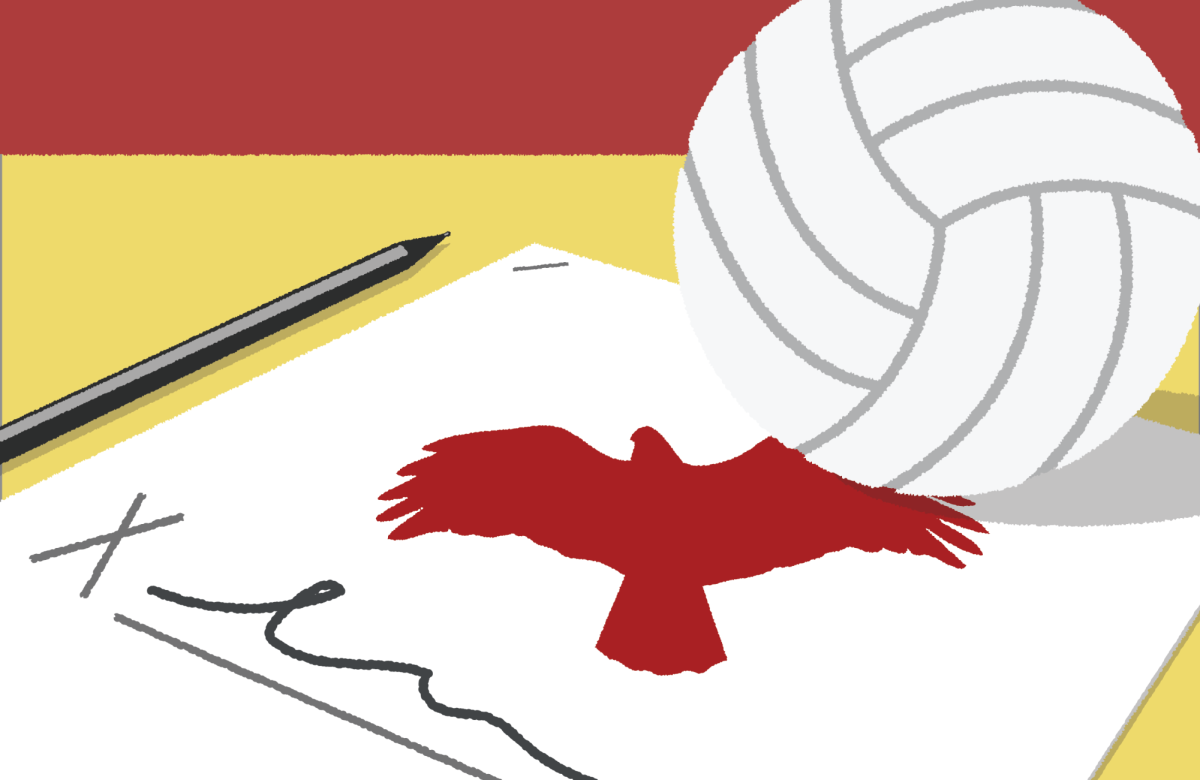
In June of 2025, district court judge Claudia Wilken approved a deal that opened the door for universities to sign Name, Image and Likeness (NIL) contracts with student athletes. Wilken also approved a landmark payment plan: universities can now spend up to $20.5 million per institution per year on athlete compensation. The decision was highly debated, with many concerned for financial, athletic and academic impacts that payment directly from universities might have on students.
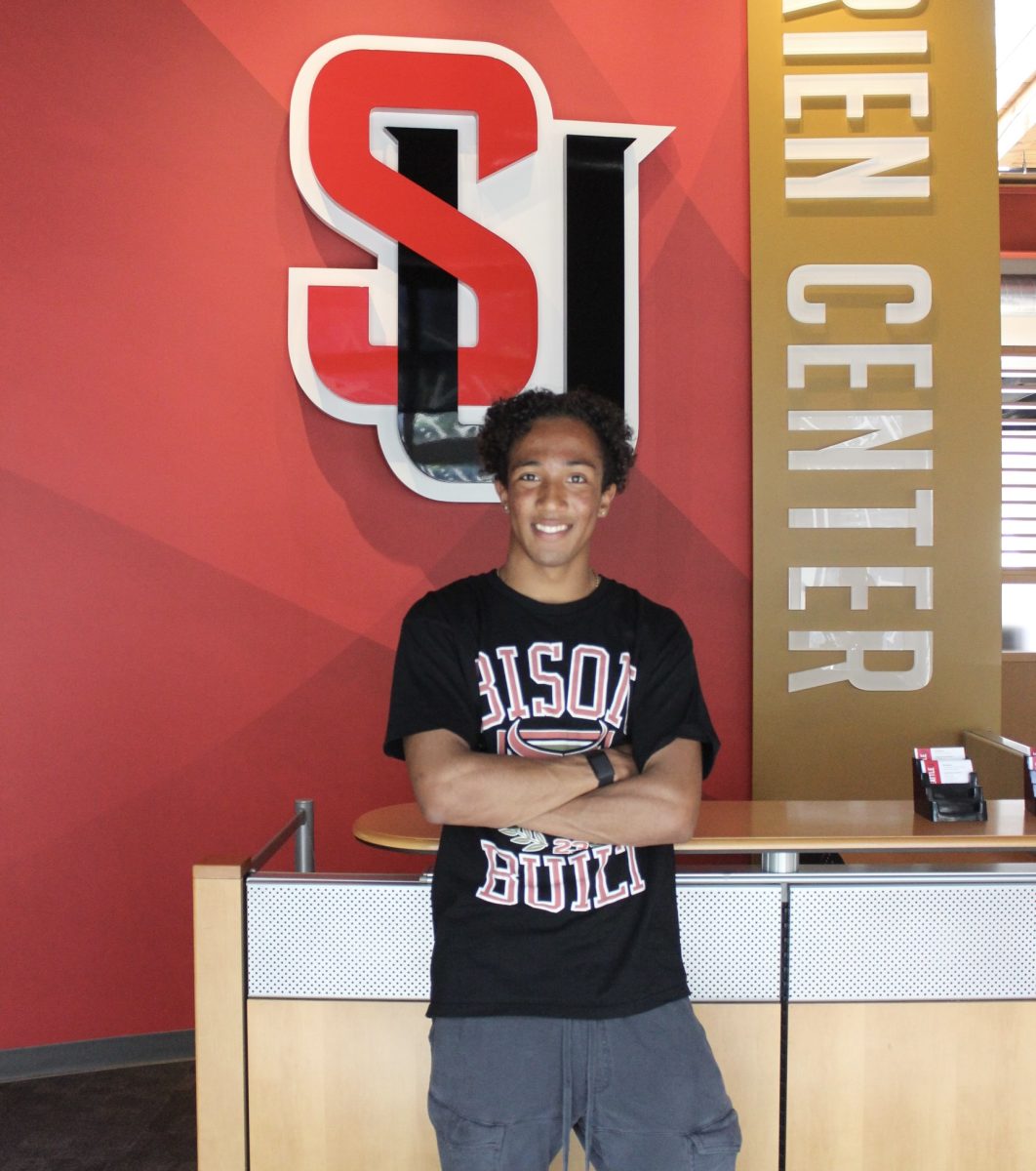
“It’s a double-edged sword,” Ella Brubaker, a graduate student and Women’s Basketball player at Seattle University, said. “It’s great that athletes can make money, but some people are making more than they ever could post-graduation. I don’t know how healthy it is to be making that much at 19.”
Money isn’t the only concern that’s been raised with NIL deals. Some have accused the new regulations of enabling pay-to-play, arguing that the changes will allow wealthier institutions to purchase the best players, leaving smaller schools struggling to find elite athletes willing to play for less money. Still, the 2025 settlement is far from the greatest upset NIL regulations have ever seen; in the last four years alone, numerous lawsuits related to NIL deals have been filed, mostly by athletes against the NCAA.
A 2021 lawsuit allowed athletes to profit from the use of their names, image and likeness, a move that was received relatively well. Prior to the lawsuit, student athletes could not profit from the fact that they were NCAA athletes; brand deals, sponsorships and even monetized social media accounts had the potential to disqualify students from playing in the conference.
Soon after the 2021 settlement, Red White U, a booster-style collective that helped pay Seattle U athletes, emerged. Red White U was a third-party organization that worked as a collective to funnel donations to teams and athletes at Seattle U. However, the university itself was barred from managing the payments and donations, leaving third-party volunteers to shoulder the responsibility of ensuring that student athletes got the compensation they deserved.
“Originally, schools couldn’t be involved in any deals student athletes were making,” Sarah Finney, associate director for strategic communications at Seattle U’s athletic department, said. “Now, that door is more open for us to acknowledge and promote what our athletes are doing,”
Because of the 2025 settlement, Seattle U was able to absorb Red White U, turn it into the Red White U NIL Gift Fund, and transfer management to paid staff in the athletic department. Scholarships, financial aid and sports-related compensation will now all come straight from Seattle U.
“It’s way smoother because it’s all one package,” Beverly Verduin, assistant athletic director for development, said. “Donors can direct their contributions to the athletics department and it goes straight through us to athletes.”
Additionally, student athletes can now receive more than a full scholarship from the universities they attend–a fact that has earned some student athletes multi-million-dollar NIL deals. Arch Manning at the University of Texas signed a deal for $6.8 million, Carson Beck at the University of Miami for $4.3 million and Jeremiah Smith at Ohio State University for $4.2 million.
At Seattle U, payments are a bit more modest. Red White U NIL Grant Fund money is almost entirely from donors and many are hesitant to invest in the fund due to its newness and lack of clear regulation.
“We’re not disclosing numbers, but I can tell you it’s not $20.5 million,” Verduin said.
Still, Seattle U’s student athletes aren’t missing out: both Finney and Verduin said they expected NIL payments to continue as they did in recent years, despite the constantly changing regulations. Now, however, those payments will come from the university itself through the athletics department—a shift that aims to make collegiate athletes’ experiences smoother.
The landscape around NIL deals, NCAA regulations and student athlete payments continues to change as new lawsuits are filed and settlements made. Those affected by these changes are encouraged to stay up to date with regulations via the NCAA website and other reputable news outlets.