
A new Crisis Care Center opening late 2027 in Capitol Hill, just a block from Seattle University’s campus, will lessen the barrier to emergency care services for people suffering from mental illness, substance use disorder and homelessness.
The new center will be the second of five centers opening as a result of the Crisis Care Center Levy (CCCL), passed by King County voters in 2023. The levy provides nine years of funding for five crisis care centers within the county. The new center will be housed in the former Polyclinic building at 1145 Broadway, which is already zoned for behavioral health care.
“Historically, we’ve had someone to call, which has been 9-8-8. We’ve had someone to respond, which are our normal crisis teams, and we’ve had folks to follow up on that plan,” Jennifer Winslow, strategic planning manager for King County’s Crisis Care Centers, said. “The piece that’s been missing is somewhere safe for individuals to go. Oftentimes, when a person finds themselves in crisis, there are very limited options, whether that be the emergency department or jail.”
The levy aims to solve this issue, providing callers with somewhere to go in the form of Crisis Care Centers. These centers provide a number of options for care for individuals in crisis, including walk-in urgent care, a 23-hour observation unit and a crisis stabilization unit. Staff, which include registered nurses, psychiatric providers, medical doctors and substance use disorder specialists, provide care for those in crisis.
Washington has historically seen a higher level of need for crisis care than other states. From 2019 to 2023, 29.8 in 100,000 people in Seattle died by suicide. That’s 2.5 times higher than deaths by suicide in the state of Washington and two times higher than in the United States as a whole. In 2025, almost half of all confirmed opioid overdose deaths in Washington State occurred in King County; in that same time, Emergency Medicine Service providers in King County treated 6,429 confirmed opioid overdoses.
“Anyone can walk in and get a wide range of mental health or substance use services,” Kelly Tongg, business operations manager for King County’s CCCL team, said. “Also, youth ages 4 to 17 can walk in and get primary care, urgent care and walk-in types of services.”
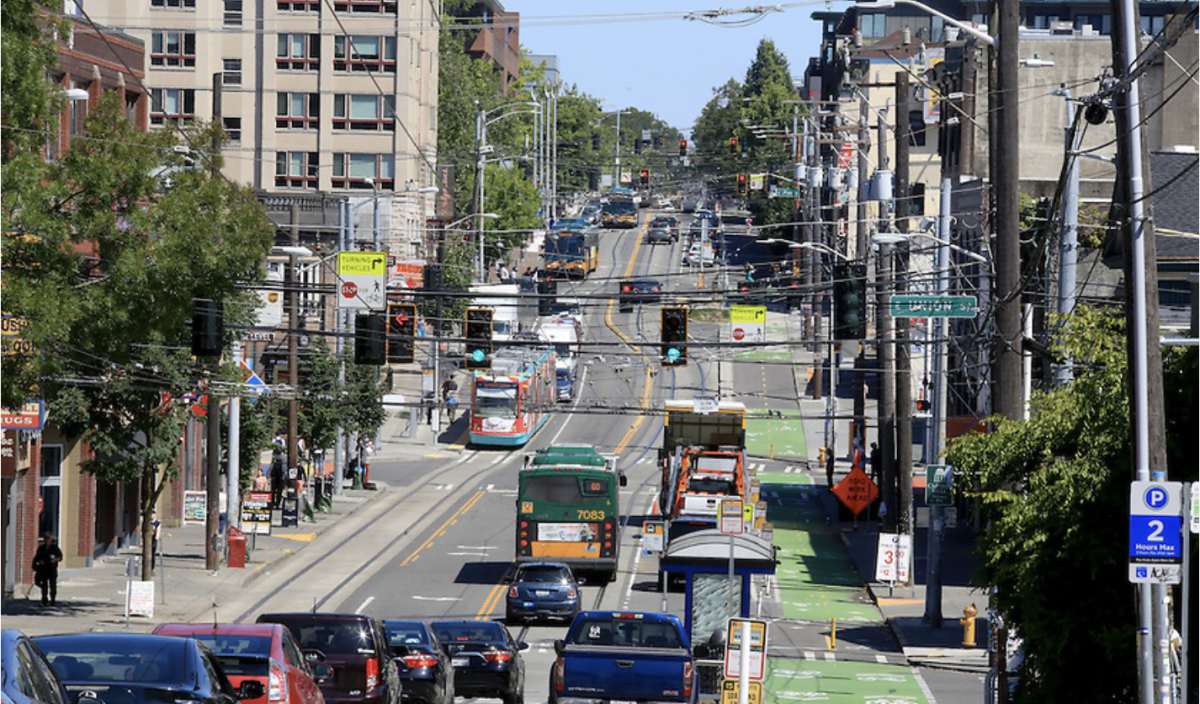
The Broadway building will require repairs in order to be usable as a care center, but its proximity to three large hospitals and accessibility by public transit made it an appealing choice. According to the county, the goal is to open the center by late next year.
Funding from the CCCL has already been used to open a Crisis Care Center in Kirkland, which opened in August 2024. The Kirkland facility served over 3,700 patients in 2025, about a quarter of whom returned within a year or less.
“What we’re hearing from individuals is that, because an individual gets to define their own crisis, they’re able to go back as many times as they need,” Winslow said.
Parts of the CCCL have already been implemented in the form of a crisis hotline and response team funding. Crisis response teams, which consist of two people each, are different from typical first responders because they’re specifically trained to respond to mental health or substance use crises. In many cases, stigma surrounding mental illness and substance use can make it difficult for individuals struggling with those challenges to reach out for help. In addition, police responses to non-criminal issues have historically been poor and even fatal for callers, making those in crisis even more hesitant to reach out.
“We heard from King County that a lot of people don’t feel safe calling 9-1-1 when it’s related to their mental health or substance use,” Angie Malpass, communications director of King County’s Crisis Care Centers initiative and behavioral health, said. “Providing services out of 9-8-8 opens the door for a lot more people to get the help that they need without feeling scared to call for help.”
The option of 9-8-8 rather than 9-1-1 saves time for first responders, too. EMTs, police and firefighters are able to spend time doing what they are trained to do rather than responding to crises they’re not equipped to handle.
Proponents of the levy hope that the clinic’s 2027 construction will compound the other benefits of expanded crisis care to make Seattle a safer and more supportive place, especially for its most vulnerable residents.