
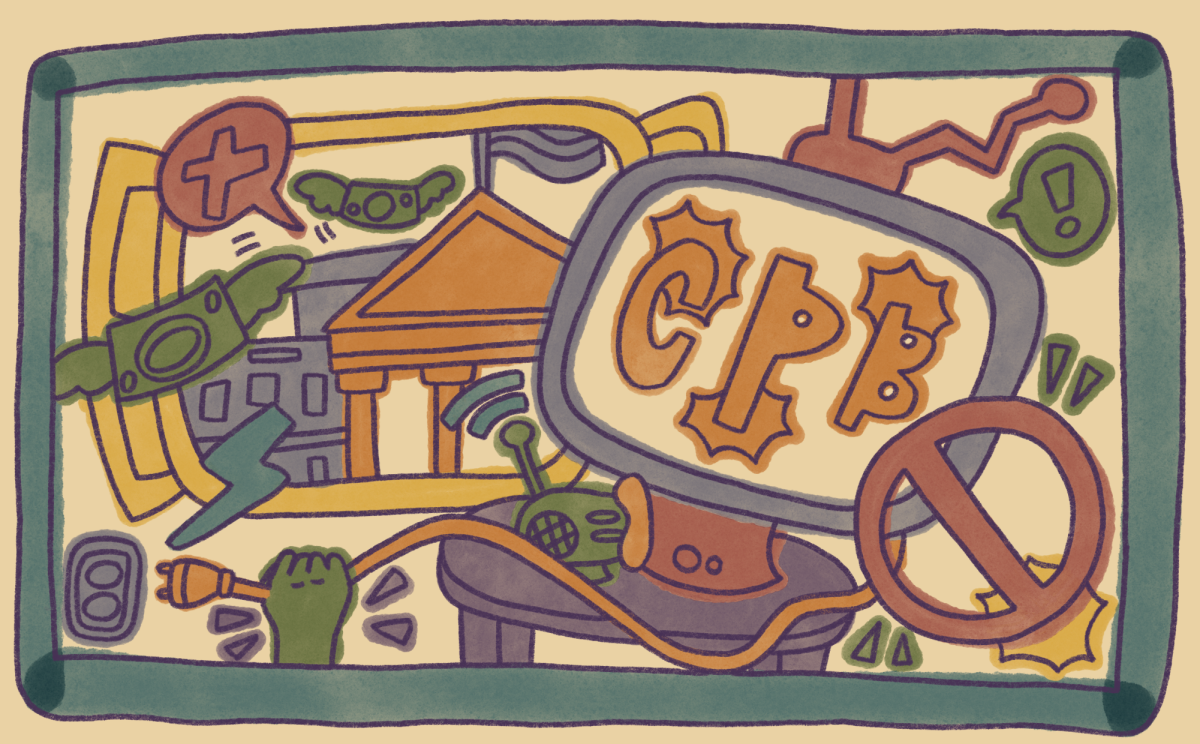
The Corporation for Public Broadcasting (CPB) announced its dissolution in early January after its funding was cut by Congress. CPB has provided in-depth programming and investigative journalism without relying on advertising revenue or a subscription paywall. Publicly funded journalism such as CPB has played a crucial role in balancing the largely commercial media landscape in the United States.
The CPB funds media organizations like NPR and PBS, as well as many other public television and radio stations, and the dissolution will affect the foundation of public media stations nationwide.The dissolution raises concerns about the future of career stability and access to quality journalism.
Caitlin Carlson, chair of Seattle U’s communications and media department, emphasized the importance of organizations like the CPB and warned that the cuts could have long-term structural consequences. Beyond immediate programming losses, they could reduce funding for fellowship programs, local reporting and initiatives that bring journalists into communities that otherwise would not be covered. She said these structural effects highlight the importance of understanding how public media is supported, and the role it plays in everyday life.
While the CPB’s potential dissolution threatens public media, there are ways for listeners, students and policymakers to help. Supporting stations through donations, fundraisers or simply tuning in can make a real difference.
“Publicly funded organizations don’t rely on advertising dollars, which allows them to cover news in a way that is less sensational and spend money to go in depth because they are not as pressured to produce quickly,” Carlson said.
Carlson noted that funding cuts could force programming cancellations and limit their ability to operate at the level they have historically.
“PBS has already started to cancel programming because they simply don’t have the funding to pay the people who are working to bring us something like the PBS Nightly News,” Carlson said.
While cuts fit into the Trump administration’s broad antagonism towards the media, Carlson points out that not all journalists or news outlets will feel the impact.
However, the biggest impact will be felt in news deserts; the rural or underserved communities that have little to no access to news. According to the a national poll, nearly three out of four Americans rely on public radio alerts and news for their public safety.
Natalie Melendez, station manager for Seattle University’s student-run radio station KXSU, explained how the dissolution of CPB affects their career prospects and the community of aspiring radio journalists on campus and across the nation.
“It makes me really emotional, and it is devastating. Public radio is a powerful, influential and necessary form of media, and this feels like a huge infringement on our First Amendment rights,” Melendez said.
Public radio provides sources of free news and education for millions across the United States. These funding cuts would detrimentally impact the stations that rely on federal support to operate.
While KXSU will be unaffected by the cuts due to their funding coming from the university, the uncertainty surrounding public media has left both students and staff rethinking their futures in journalism.
Melendez, who has worked at both commercial and public stations, said she worries about where KXSU staff might go if public radio funding disappears.
“It is really rewarding work. So I worry when it is my time to leave [KXSU], where am I going to go after this? Funding in commercial radio has already been lacking, and with the Corporation for Public Broadcasting going away, it is a lot,” Melendez said.
For students like Mars Nelson, a fourth-year communications and media major and program director at KXSU, the cuts have immediate personal consequences.
“Radio was always in the back of my mind for post-grad plans, but I have found myself putting in fewer applications in the broadcast world simply because of the fear of being laid off,” Nelson said.
Nelson added that they are now considering careers in social media marketing, which they see as more stable in the current media climate.The structure of public broadcasting allowed for a focus on news that might not be as profitable, but is essential for keeping the public informed.
“Just keep listening and donating when you can,” Melendez said. “Radio has been losing income because it’s not the most popular media anymore, and we’re just adapting. Supporting public media is one of the best ways to help.”
For students and aspiring journalists, understanding the role of public media and staying engaged with news policy is key. Nelson said the funding cuts have highlighted just how fragile public media can be.
“It’s important to support the outlets you care about,” Nelson said. “Even small actions like joining a fund drive or sharing public radio programs can help a lot.”
Carlson said political involvement also matters.
“Congress can still allocate funds to public media,” she said. “Who you vote for and how you support these outlets really affects the future of journalism in this country.”
Beyond individual efforts, public media organizations can advocate for funding, partner with local communities and expand digital access so audiences continue to have free news and educational content. Together, these steps can help protect public media and the vital role it plays in keeping communities informed.
The fate of public broadcasting will shape how communities access reliable news for years to come. Protecting these outlets requires more than funding; it depends on engaged listeners and a public that values independent media.