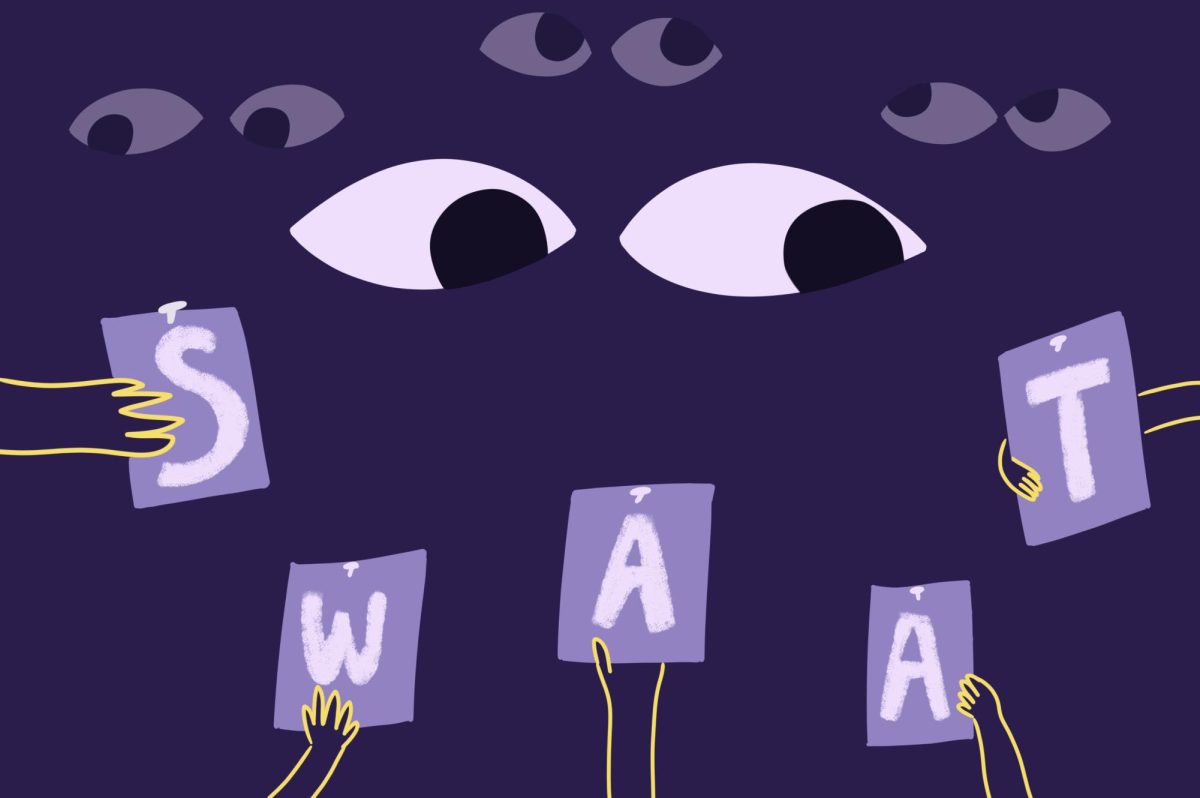


Starbucks Workers United (SBWU) has banded together once again to hold ongoing strikes across the country since Nov. 13, bringing Starbucks’ alleged labor law violations and unresolved union deals into the public eye. This strike has been dubbed the “Red Cup Rebellion” because it started on Starbucks’ annual Red Cup Day, one of the company’s highest-earning days of the year.
SBWU started forming in early 2021 due to Starbucks’ low wages, low hours and outstanding labor law violations that employees were accusing the company of. In January 2022, SBWU would officially begin at a unionized store in Buffalo, N. Y., setting off a wave of new union stores across the country.
Current strikes are taking place due to unreached bargaining between the SBWU and the Starbucks executives after hundreds of hours of discussion dating back to April 2024. The main points of discussion are more hours for workers to alleviate understaffing across the nation, a pay raise for all workers and a resolution to the copious amounts of labor law violations baristas have brought to national attention.
“Workers United walked away from the table but if they are ready to come back, we’re ready to talk,” Sara Kelly, Starbucks Chief Partner Officer, wrote in a statement.
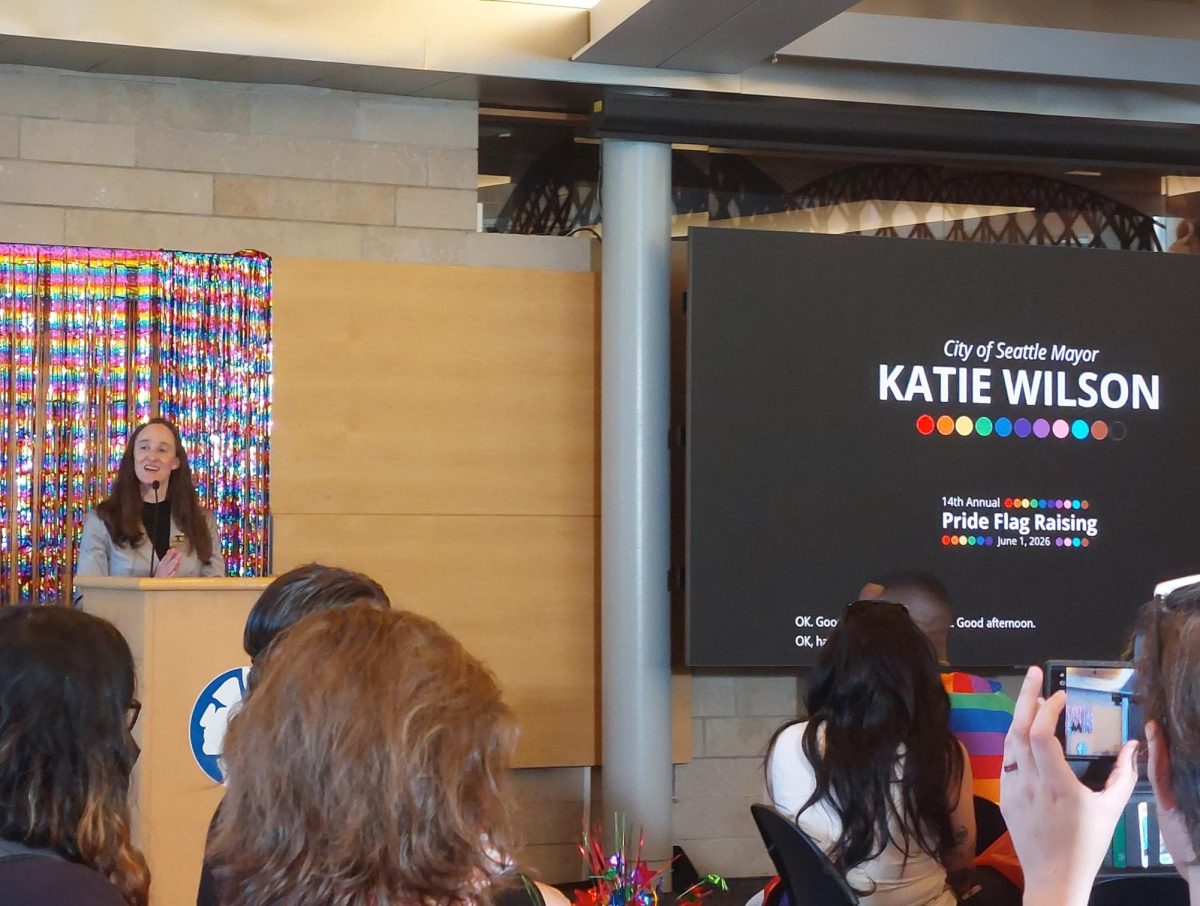
Ari Bray, a union worker who has been with Starbucks for over six years, is involved in the strikes occurring in Seattle’s U District. Bray helped organize the Nov. 13 strike, which the mayor-elect, Katie Wilson, attended.
“[Katie Wilson] very graciously came and only had five minutes to kick off our rally. She did a short and sweet little speech in support of us, and I really appreciated that she came in support for the workers and not to promote herself,” Bray said.
SBWU filed a national Unfair Labor Practice (ULP) charge against Starbucks in December 2024 due to the halts in progress towards a fair contract for the union. SBWU claims that Starbucks is the “biggest violator of labor law in modern history,” and has acquired 125 violations just this year alone.
Jaci Anderson, a Starbucks press representative, provided a statement in an email to The Spectator regarding the ongoing strikes
“We’re disappointed that Workers United, who represents less than 4% of our partners, called for a strike instead of returning to the bargaining table. Less than 1% of our coffeehouses have experienced any level of disruption, and the vast majority of our 240,000 partners are coming to work ready to serve customers,” Anderson wrote. “Any agreement needs to reflect the reality that Starbucks offers the best job in retail, including more than $30 an hour on average in pay and benefits for hourly partners.”
Anderson’s statement did not mention any unresolved accusations of labor law violations that Starbucks is still facing.
Jaz Brisack, an author and unionizing specialist who helped organize the first unionized Starbucks, spoke at a webinar hosted by Seattle University’s School of Law regarding their new book “Get On the Job and Organize.” Steven Berdener, the co-director of Seattle U’s Law Critical Justice Initiative, is organizing the webinar series “Organizing & Advocacy for Justice,” and Nov. 20th marked their fourth edition, which featured Brisack.
“At a company like Starbucks, where you have a very small percentage of union stores or striking stores out of the total company, it’s a useful public opinion tool to crystallize public opinion for the issue, and helps mobilize other people around other forms of public pressure,” Brisack said during a phone call to The Spectator after the webinar.
Brisack initially applied to Starbucks in order to be a “salt,” someone who purposefully seeks out companies to get hired at and to create unions within them. Brisack helped found the first union store in Buffalo, N.Y., through their foundation, Inside Organizer School (IOS), a program that offers skills for organizing responses to anti-union campaigns and bargaining training.
IOS was co-founded by Brisack in 2018 to train teams of salts for companies that lack unions or need better union organizing. IOS aims to empower workers in companies, so they know their rights as workers and that organizing for better conditions is possible. Their next open session is in Spokane, Wash., Dec. 5-7.
“What you’re really trying to do is act within the law in a nonviolent way, and organize in a collective way that makes your target uncomfortable, and traditionally strikes have done that,” Berdener said.
The series of webinars aims to educate people on the importance of organizing together in the face of oppression, whether that is in a workplace or elsewhere. The next webinar is slated for January, and Berdener is bringing in people who have helped unionize places of higher education.
Currently, one Starbucks location in Elliot Bay is temporarily closed due to the strike, while another U District location sees workers picketing outside the store daily. Strikes will continue until a bargaining agreement is reached with the company.