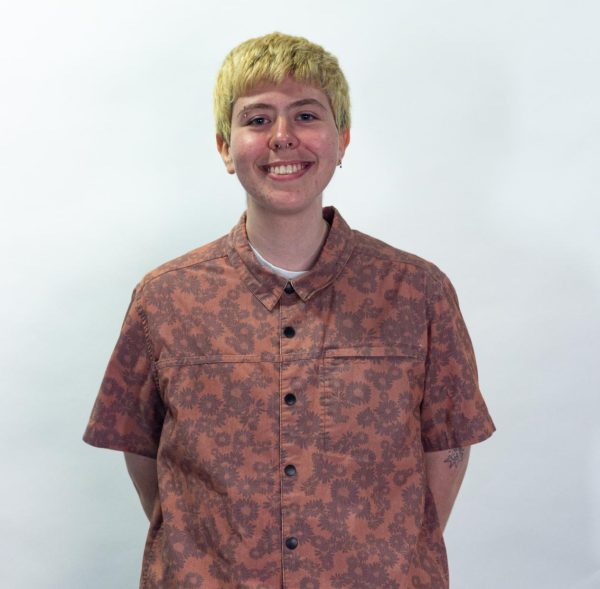


New York University first-year student Toa Ghatak barely remembers her time in middle school, and she’s not alone. Ghatak was one of an estimated 55,000 students across the state of Washington enrolled in at least one online class during the 2020-21 school year, according to a report by the Washington Office of Superintendent of Public Instruction. As students like her in the class of 2029 enter their first year of college, the repercussions of missing the in-person middle school experience are becoming apparent.
Since 2020, the number of students nationwide proficient in core skills like reading and math has dropped significantly, according to a report by the Annie E. Casey Foundation. Students also lost opportunities to participate in extracurriculars and form interpersonal relationships, the consequences of which have followed them to college.
To slow the spread of COVID-19, Gov. Jay Inslee required all Washington schools to close in March 2020. Shoreline School District, where Ghatak was enrolled at the time, remained on a primarily online hybrid model until the beginning of the 2021-22 school year. Because the district operated on a two-year middle school model, students enrolled in seventh grade at the time of the closures spent fewer than half the academic year physically in middle school.
“It definitely was a really weird transition, because we basically went from elementary school, where there’s no pressure on your grades or anything, and then the online middle school, which was somehow even less pressure, to high school, where it’s suddenly, like, ‘Oh, yeah, all your grades matter,’” Ghatak said. “I started getting so stressed out that first year back immediately.”
Ghatak said that she felt as though her high school did not understand the impact that missing middle school had on her class and did not provide adequate resources to help ease the adjustment. Others, like Ashley Norris, a middle school special education teacher in the Shoreline School District, worry that the lack of clear expectations for students post-COVID puts them at a disadvantage.
“I know when the first group came back, we were like, ‘Let’s all give them grace…they’ve never really been off their Chromebooks and phones in two years, so let’s give them some time,’ and I wonder if we went too far on that end and didn’t just say, ‘hey, we’re back in person, it’s time to be with people and learn how to reconnect,’” Norris said.
Ghatak said that this lack of instruction impacted her as she entered college, noting that she and her peers struggled to study for exams and felt that they did not possess the same set of skills that first-year students just three years ago did.
Academic losses aren’t the only challenges the class of 2029 faced. Middle school is a crucial period of time for the development of interpersonal relationships and emotional regulation, explained Norris, who specializes in social-emotional learning.
“[Middle school is] when students, I believe, truly start asking, ‘What are my values? Who am I as a person?’ And it’s a really strange time in life, because all of a sudden you’re meeting all these new people who don’t know you…I think a lot of kids try on different personas, different social situations, just to see what maybe fits them, and they kind of start noticing other kids around them in a different way,” Norris said.
As students rarely interacted with one another during this time, they missed out on opportunities to practice dealing with interpersonal conflicts and forming new relationships. Hannah Marconi, a middle school special education teacher in the Shoreline School District with a focus on teaching executive functioning skills, worries that this loss will continue to impact students for years to come.
“When we lose connection with people, we start to struggle with our skills of empathy, of community and connection, and I have wondered and worry that individuals who missed a critical developmental time in middle school might have some of those interruptions or challenges with building trusting connections and rooting themselves in community as they get older,” Marconi said.
Ghatak has seen the effects of this firsthand, observing that fewer of her peers are dating, going out on weekends and getting involved on campus compared to students in the years above her.
Though the class of 2029 may be struggling, Marconi believes that it’s not too late to make up for lost experiences. She emphasized the need for students to grant themselves patience and forgiveness, and to seek out community resources available in their schools or cities to practice the social-emotional skills they may have missed.