
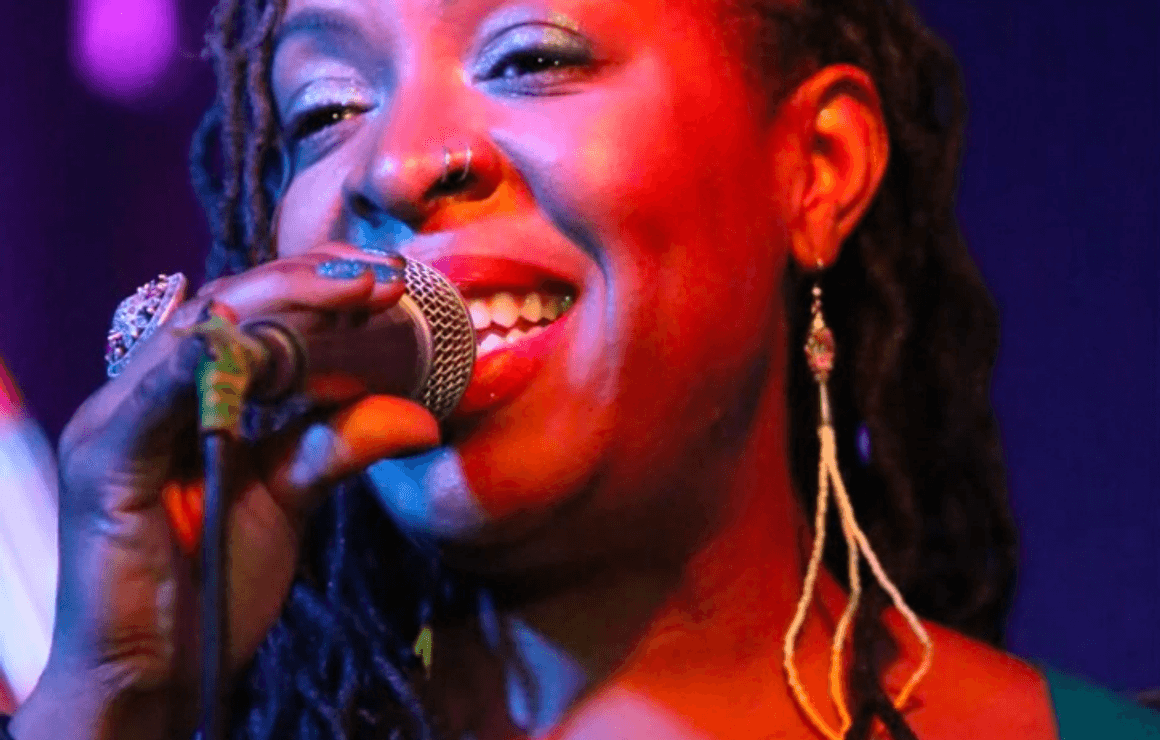
Johnaye Kendrick is not just the Chair of Music at Cornish College of the Arts at Seattle University—she’s also a multi-talented musician and three-time winner of the biggest award in music. This year, she won the Grammy for Best Arrangement, Instruments and Vocals as a part of the vocal quartet säje, in collaboration with arranger Nate Smith on BIG FISH, a standout piece that blends deeply emotional instrumentals and unique rhythms with melodically haunting vocals. In an interview with The Spectator, Kendrick discussed how she balances five different lives, how she got to where she is today and how winning a Grammy has shaped her.
Initials have been used to indicate the speaker.
KM: With so many career options open to you, what drew you to teaching at Cornish?
JK: I was living in New Orleans after grad school, and I was performing regularly, but the thing about New Orleans is that it’s a really fun place where you’re having fun all the time–I wasn’t really planning my life. I woke up one day and decided I needed to make a move, do something, get out of New Orleans.
I pulled out my computer, and I Googled “college vocal jazz vacancy” or something like that. Cornish just happened to be doing a search for a jazz voice professor. It was the first job I applied for, and I got it, and they moved me here from New Orleans. That was 16 years ago.
KM: That’s a long time! What’s made you stay in Seattle so long?
JK: I think Cornish is a special place–I always have. I love the institution, I love my colleagues, but what I really want is to be always growing, and I have constantly felt like I’ve been growing in this position. I’ve applied for other jobs and been offered other jobs, but they weren’t Cornish. There’s just something really special about this place.
KM: You wear a ton of hats–säje, teaching, your sound therapy practice. How do you balance everything?
JK: I like to say I’m living five lives because I’m a twin mom, I’m a music professor, now Chair of Music, I have a sound therapy practice, johnygirl Sound Therapy and Healing Art Studio, and there’s the Johnaye Kendrick Quartet work that I do. I do work with a group that I put together called Grounded, which is a string quartet with piano, bass and drums. And then there’s säje.
I’m thankful that I have the luxury of being in a position where I do not do anything that I don’t want to do, and that has taken a lot of paying of dues. I have had to take all of these classes and get these certifications and all these things. But I’m at a point in my career where I don’t ever want to have to walk out of my house and feel dread. If it’s not something I want to do, I’m not doing it! That’s how I balance it all–I only do the things that I know will feed me or help me grow or bring me joy or pride.
KM: Talk to me about BIG FISH. What was it like creating that?
JK: Säje is a collective–there are four vocalists in this group, and we work in different ways in different projects. For this project, we got an email from arranger Nate Smith, who sent a recording of a piano and drum thing. So we asked who was hearing something, who wanted to take the helm of this one, and we got to work.
A cool thing about säje is that everything we do is remote: there’s one of us in LA, another one in Rochester and the other one in Boston. We recorded all our vocals independently with little elements added by everyone, and we sent the vocals to Nate and he took them and put them together and sent them back to us.
We do different things for different songs. I could be sitting at my piano and sending recordings to the rest of säje, emailing back and forth, or sometimes we’ll get an Airbnb and work together that way–it shifts every time. That’s the thing about working with creatives–there’s no way to write or compose or arrange or orchestrate. The main thing is that we leave room for each other to be who they are and to offer what they have to offer.
When I heard the final version, there were moments when I literally screamed. It’s amazing because we were just just sending our work into the ether, and he sent back this wonderful thing that nobody fully saw coming.
KM: Is BIG FISH your favorite work, or is there another piece that has your heart?
JK: If I’m being honest, the one that stands out for me the most is Alma, our second Grammy-winning piece. Alma is the one that säje wrote and arranged alone. Our moms are on it. Our grandmas are on it. My babies are on it. All of these strong powerhouse women, you know, they’re all singing and encouraging us. It’s really emotional for me: it’s got my mother on it and at the end of it, she’s telling me that she’s so proud of me. It’s a really special song. I know this is about BIG FISH, but Alma is the song that is just so special to my heart.
KM: What does it feel like to now have won a third Grammy?
JK: It’s all so subjective, and I want to acknowledge that there’s really beautiful art, things that were nominated alongside us, but also things that were submitted that didn’t get the recognition that they deserved. It’s really tough to break through in this industry, but just because you haven’t broken through yet doesn’t mean that your art is not incredible. I have some students who are like, ‘“I want to win a Grammy one day,” and I love that and I fully support that enthusiasm, but I want them to know that their art is incredible with or without that Grammy.
I’m not jaded, I’m really not, but I’m thinking about other people who don’t get heard, don’t get recognized. That happens so much, so it feels really weird to be like, “this is the best arrangement.” It’s important to ask, “Best arrangement to whom?”
When we are talking about creativity and expression and community, it’s important to acknowledge that we miss a lot of it. If you’re one of those things that we didn’t hear, or one of those things that wasn’t celebrated, or if you’re one of those things that was missed, that is not a reflection of you or your art.
I’m excited and I’m honored and it’s fun. I had a great time–the Grammys are a really expensive party. But I’ve got a bunch of music that I’ve created that no one’s ever heard that is really special. And I’m gonna love that music just as much as I love the things that people are celebrating. Universe willing, it’ll rise to the top. But if it doesn’t, that’s okay, too.